Collaboration, Community

Expanding the Horizons of Collaboration: A New Cohort of Certified Radical Collaboration Trainers
Expanding the Horizons of Collaboration: A New Cohort of Certified Radical Collaboration Trainers

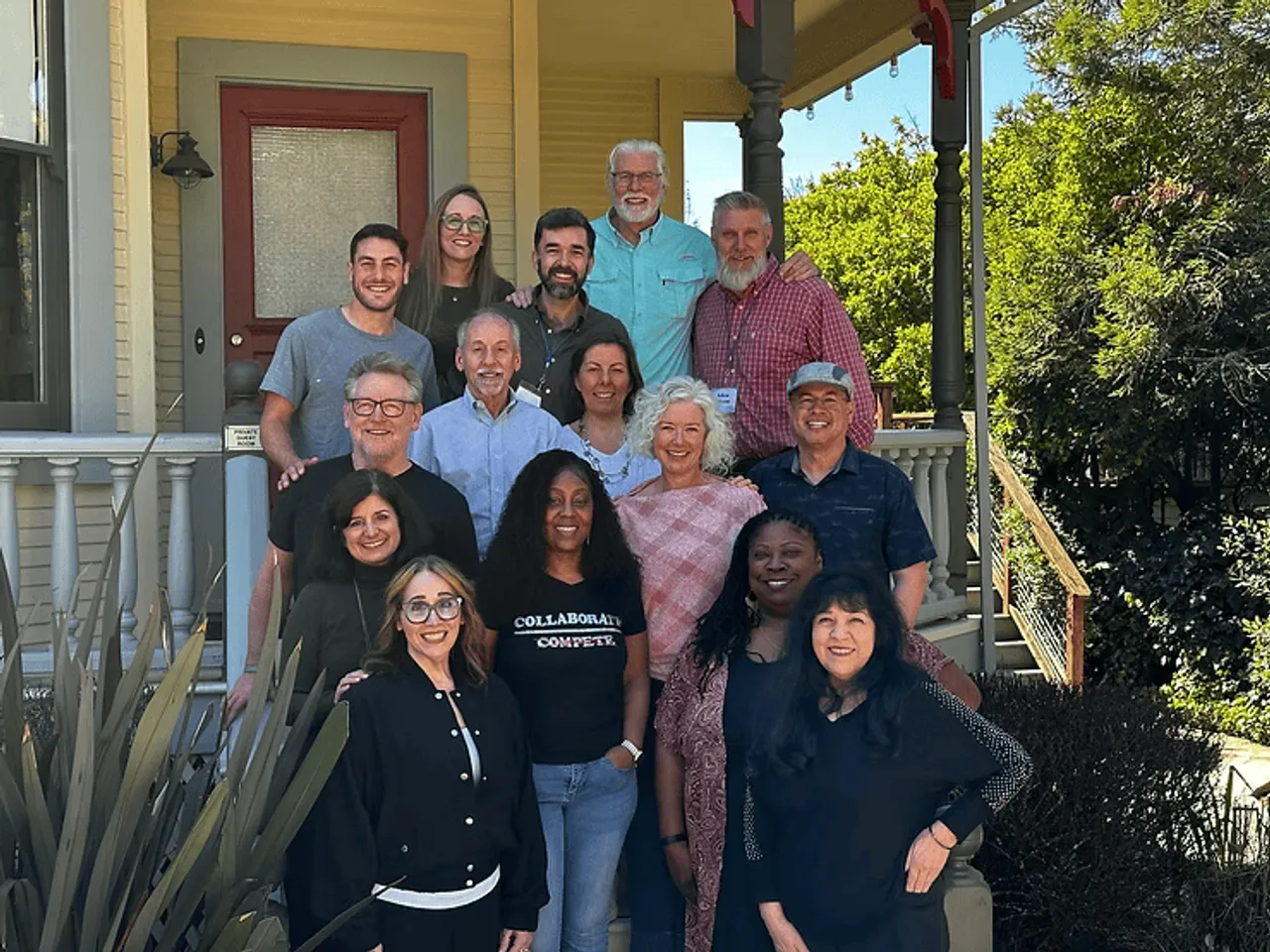
In March, eleven facilitators completed certification as Radical Collaboration Trainers during a workshop held in Sutter Creek, California. These professionals represent diverse sectors including education, healthcare, nonprofits, government, and community development across the United States and Canada.

The Newly Certified Trainers

The cohort includes specialists across multiple disciplines:

  • Alyssa Bostwick brings healthcare expertise, focusing on team-based patient care approaches
  • Eileen Pippins works in education and nonprofit facilitation
  • Glen Olson specializes in leadership development and organizational transformation
  • Gloria Halley serves as an education specialist throughout California
  • Jaime Partlow focuses on business development and leadership coaching
  • Jennifer Foglesong integrates collaborative practices into educational and vocational curricula
  • Jovanni Tricerri emphasizes community development and nonprofit leadership
  • Keesha Hills leads nonprofit teams toward social impact initiatives
  • Maria Pappas builds effective teams within the nonprofit sector
  • Rodi W. Adema provides mentoring, coaching, and leadership development services
  • Ronen Pessar specializes in complex negotiations and business development

Leadership and Impact

The trainers received guidance from Paul Massieu Arvizu (Latin America), Malou Laureys (Europe), Jim Tamm (Radical Collaboration creator), and Scott Winter. The certification expands the organization’s capacity to address the growing demand for collaborative skills in an increasingly complex world.

These newly certified facilitators are now positioned to tailor Radical Collaboration principles across different sectors, bringing proven methodology to teams and organizations throughout North America. Each brings their unique professional background and community connections, ensuring that collaborative practices reach the people and places that need them most.
Read Other Articles

In Northern California, a Shift from Recovery to Resilience
  • Resilience

    Community

  • 19 Aug, 2025

In Northern California, a Shift from Recovery to Resilience

Five years after the devastating 2018 Camp Fire in Northern California, the Butte County community continues to demonstrate extraordinary resilience. More than rebuilding, locals are addressing long-standing systemic gaps, collaborating to build an even stronger, more equitable future. The Camp Fire, which decimated the town of Paradise, uncovered cracks in the county's infrastructure, from food insecurity impacting families and children to preventable health issues rooted in adverse childhood experiences (ACEs). In the fire's aftermath, cross-sector coalitions have mobilized to tackle these interrelated needs with proactive, compassionate solutions. Collaborative Solutions Taking Root A food systems collaborative is expanding access to healthy, affordable food options. The Healthy Communities Collaborative takes a holistic approach to community wellbeing, implementing supportive programs and environments to reduce instances of chronic disease. Most recently, the Butte Resilience Collaborative launched in August 2023, uniting over 100 representatives from local organizations serving vulnerable populations. Their mission is to build an inclusive, socially just network that strengthens resilience county-wide by filling resource gaps and elevating unheard voices. The Collaborative Commons Role The Collaborative Commons, committed to facilitating community-driven solutions through collaboration, serves as a key partner in supporting each of these collaboratives' development. We bring experience convening diverse stakeholders and coaching collaborative skills from prior work assisting disaster recovery efforts and building local capacity across California. A Promising Shift Butte County's collaborative response represents a promising shift, understanding that crises, while devastating, present opportunities to remake systems and structures for the better. Their coalitions recognize that true resilience means anticipating vulnerabilities and co-creating equitable solutions so all community members can thrive.

read more
Building Trust: The Foundation of Collaboration
  • Collaboration

    Teams

  • 15 Jul, 2025

Building Trust: The Foundation of Collaboration

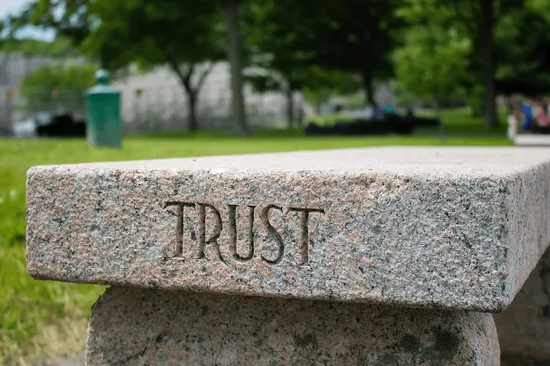
In the world of collaborative partnerships, trust is the invaluable currency that makes everything else possible. It is the very essence that propels us forward in achieving shared goals. Without it, even the best strategies and most talented teams will struggle to produce meaningful results. Seven Key Principles of Trust Through years of work in collaborative spaces, we've identified seven foundational elements that build and sustain trust: 1. Actions Over Words Trust develops through consistent, authentic actions rather than promises or rhetoric. People watch what you do far more closely than they listen to what you say. 2. Reliability Meeting expectations and fulfilling responsibilities creates a positive cycle that encourages continued collaboration. When people can count on you, they invest more deeply in the partnership. 3. Integrity Ethical behavior, honesty, and transparency are essential. Self-interest erodes trust faster than almost anything else. Integrity means doing the right thing even when no one is watching. 4. Shared Values In diverse settings, alignment on fundamental principles creates a collective foundation. You don't need to agree on everything, but you need a shared sense of what matters most. 5. Relationship Investment Trust requires ongoing effort through active listening and genuine understanding of different perspectives. It's not a one-time achievement but a continuous practice. 6. Mutual Respect Recognizing and valuing others' viewpoints fosters an environment where trust flourishes. Respect doesn't mean agreement; it means treating every perspective as worthy of consideration. 7. Adaptability Trust is an evolving process requiring resilience, transparent conflict resolution, and flexibility with changing circumstances. Rigid expectations of trust lead to disappointment; adaptive expectations lead to growth. Trust as Bedrock Trust is not just a component of collaboration; it is the bedrock upon which collaboration is built. When individuals engage authentically and behave with integrity, trust becomes the catalyst for realizing collaborative potential within community contexts. Building trust takes time, consistency, and courage. But the results are worth the investment: stronger partnerships, better decisions, and the kind of collaborative capacity that transforms communities.

read more
Helping Teams Think Critically Together
  • Collaboration

    Teams

  • 19 Aug, 2025

Helping Teams Think Critically Together

In the ever-evolving landscape of collaborative work, equipping teams with the tools to think critically and solve complex problems is paramount. One powerful framework for building this capacity comes from the Intellectual Standards developed by Richard Paul and Linda Elder. These standards provide facilitators with a structured approach to crafting questions that encourage teams to explore issues thoroughly before making decisions. The Nine Intellectual Standards 1. Clarity Focus on understanding the core issue and ensuring all team members grasp the problem fully before moving toward solutions. 2. Accuracy Emphasize verifying data reliability and validating assumptions. Good decisions require good information. 3. Precision Well-defined problems and clear success criteria prevent teams from solving the wrong problem or declaring premature victory. 4. Relevance Ensure that the information being discussed directly addresses the challenge at hand, rather than pulling the team off course. 5. Depth Explore root causes beyond surface symptoms. The most important insights often lie beneath the obvious. 6. Breadth Consider multiple perspectives. Teams that look at problems from many angles find more creative and sustainable solutions. 7. Logic Sound reasoning and the ability to identify flawed arguments protect teams from persuasive but ultimately harmful conclusions. 8. Fairness Address equitable treatment of all stakeholders. Decisions that serve some at the expense of others rarely produce lasting results. 9. Significance Prioritize efforts on the most critical challenges. Not everything that's urgent is important. A Tenth Consideration: Sustainability Beyond these nine standards, we add a tenth consideration around sustainability aligned with organizational values. Solutions that work today but undermine tomorrow's capacity are not truly solutions. Putting It Into Practice Incorporating these intellectual standards into a team's decision-making process fosters more critical thinking and enables teams to navigate complex challenges effectively while maintaining ethical practices. The result is better decisions, stronger alignment, and teams that grow more capable with each challenge they face.

read more

Ready to Build Capacity That Lasts?

Whether you're seeking personal resilience or organizational transformation, we'll meet you where you are.

Industry-Specialized Facilitators

Facilitators who know
your world inside and out

Badge
Badge
Badge

  • Individual, team, organizational
  • and community capacity
  • built by those who know your work.
cta