Building Trust: The Foundation of Collaboration
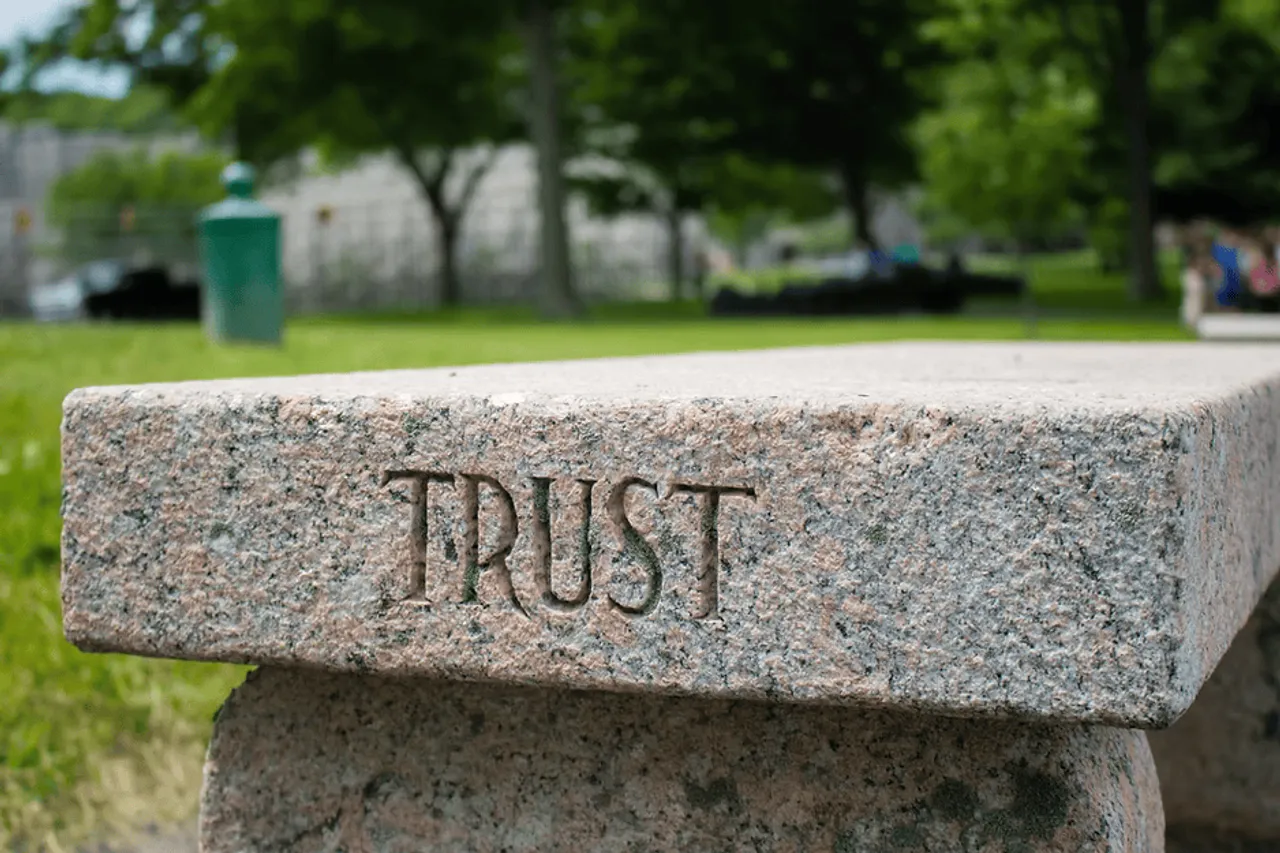
In the world of collaborative partnerships, trust is the invaluable currency that makes everything else possible. It is the very essence that propels us forward in achieving shared goals. Without it, even the best strategies and most talented teams will struggle to produce meaningful results.
Seven Key Principles of Trust
Through years of work in collaborative spaces, we’ve identified seven foundational elements that build and sustain trust:
1. Actions Over Words
Trust develops through consistent, authentic actions rather than promises or rhetoric. People watch what you do far more closely than they listen to what you say.
2. Reliability
Meeting expectations and fulfilling responsibilities creates a positive cycle that encourages continued collaboration. When people can count on you, they invest more deeply in the partnership.
3. Integrity
Ethical behavior, honesty, and transparency are essential. Self-interest erodes trust faster than almost anything else. Integrity means doing the right thing even when no one is watching.
4. Shared Values
In diverse settings, alignment on fundamental principles creates a collective foundation. You don’t need to agree on everything, but you need a shared sense of what matters most.
5. Relationship Investment
Trust requires ongoing effort through active listening and genuine understanding of different perspectives. It’s not a one-time achievement but a continuous practice.
6. Mutual Respect
Recognizing and valuing others’ viewpoints fosters an environment where trust flourishes. Respect doesn’t mean agreement; it means treating every perspective as worthy of consideration.
7. Adaptability
Trust is an evolving process requiring resilience, transparent conflict resolution, and flexibility with changing circumstances. Rigid expectations of trust lead to disappointment; adaptive expectations lead to growth.
Trust as Bedrock
Trust is not just a component of collaboration; it is the bedrock upon which collaboration is built. When individuals engage authentically and behave with integrity, trust becomes the catalyst for realizing collaborative potential within community contexts.
Building trust takes time, consistency, and courage. But the results are worth the investment: stronger partnerships, better decisions, and the kind of collaborative capacity that transforms communities.